FAQ
Common Questions About Healthy Cooking Techniques
What are nutrient-dense foods?
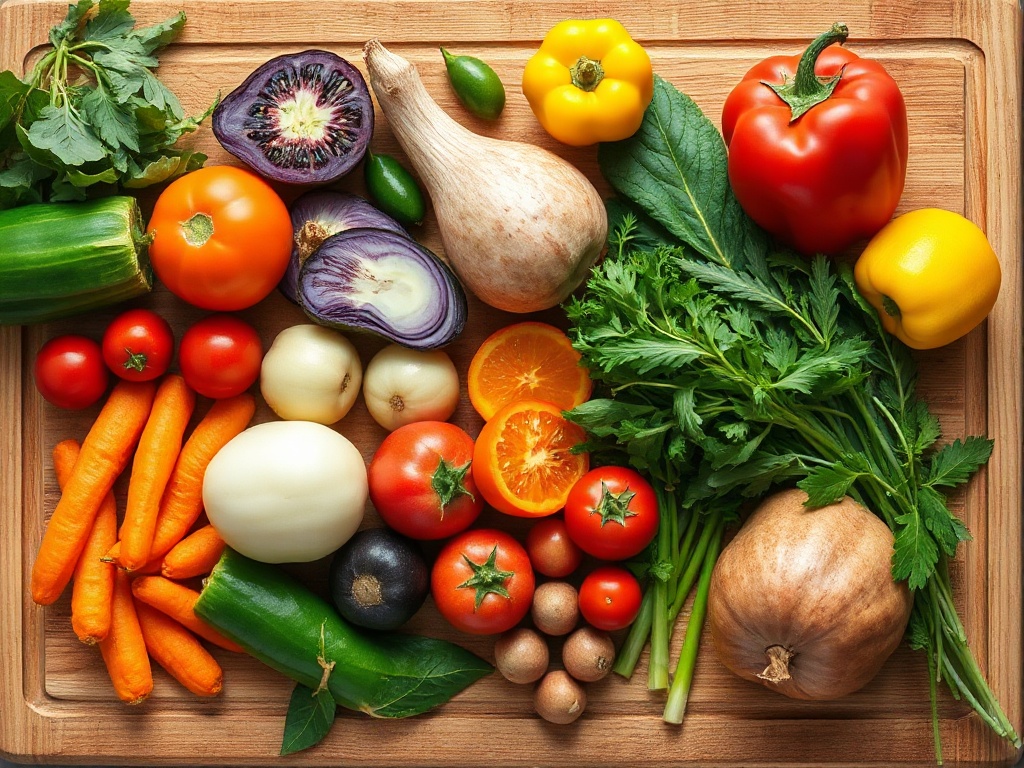
Nutrient-dense foods provide maximum vitamins, minerals, and antioxidants per calorie. Learning to identify and cook with these ingredients transforms your meals into powerful sources of wellness. Our course teaches you to select whole grains, lean proteins, fresh vegetables, and healthy fats that nourish your body while delighting your taste buds.
Why is meal planning so important?
Thoughtful meal planning prevents impulse decisions that lead to unhealthy choices. When you prepare your weekly menus in advance, you control ingredients, portions, and cooking methods. This practice saves time, reduces stress, and ensures your family enjoys consistent, balanced nutrition throughout the week.
What cooking methods preserve nutritional value best?
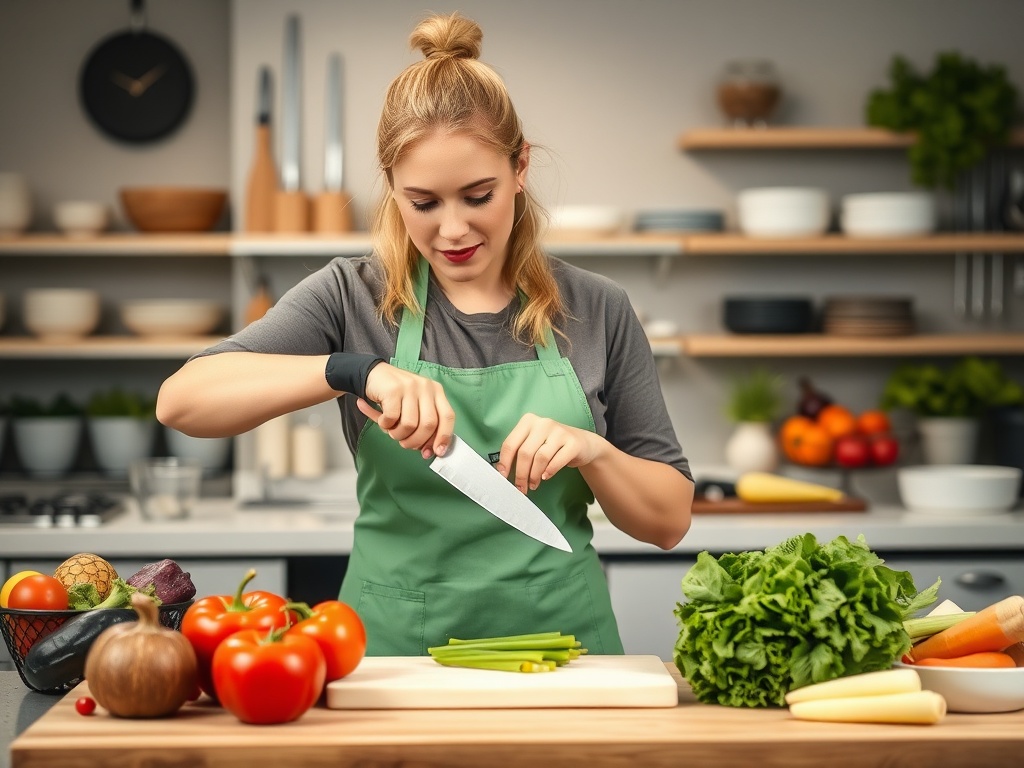
Steaming, baking, and sautéing with minimal oil preserve nutrients better than deep frying or boiling. These methods maintain food's natural vitamins, minerals, and beneficial compounds while creating delicious textures and flavors. Our instructors demonstrate each technique with practical demonstrations.
How can I cook flavorful meals without salt?
Herbs, spices, citrus juices, and aromatic ingredients create incredible depth without excess sodium. Mastering these flavor-building techniques allows you to satisfy cravings while supporting heart and kidney health. You'll discover combinations that make nutritious eating genuinely enjoyable.
Can I prepare healthy meals on a tight budget?
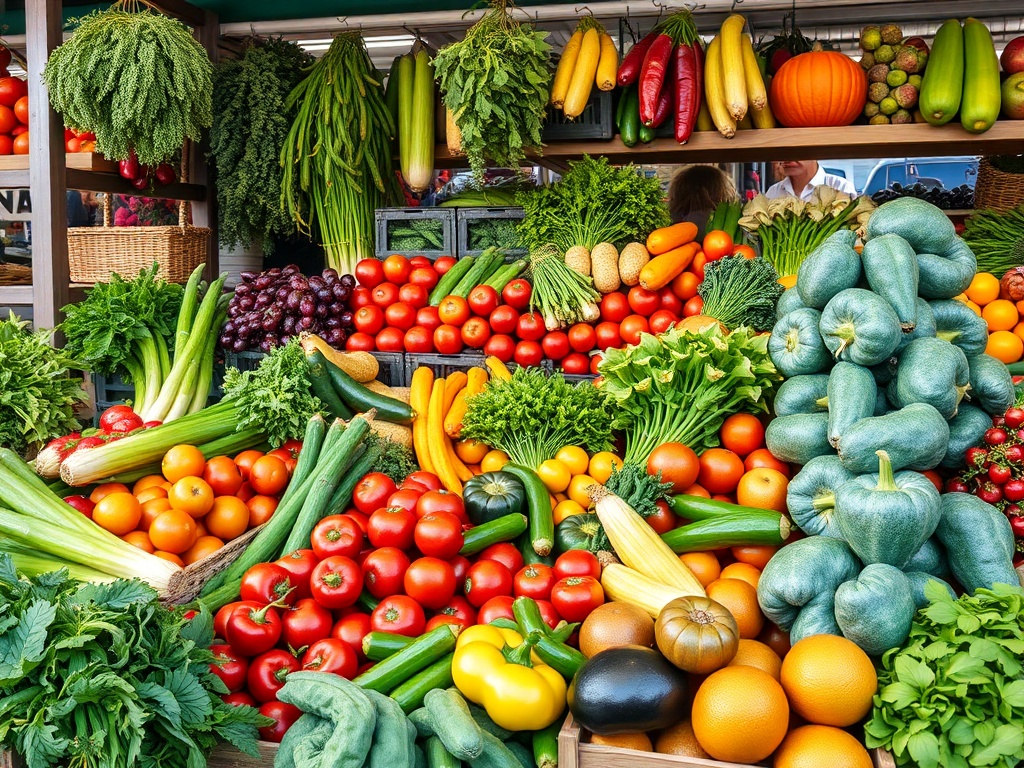
Absolutely. Seasonal vegetables, bulk grains, frozen produce, and budget-friendly proteins deliver outstanding nutrition affordably. Strategic shopping and smart preparation reduce waste and maximize value. Our course includes a complete module on creating delicious healthy meals within realistic budgets.
How do I balance macronutrients effectively?
Balanced meals include adequate protein, healthy fats, and complex carbohydrates for sustained energy and satisfaction. Understanding portion ratios and food combinations helps you create plates that support your health goals. We teach practical frameworks that work for every dietary preference and lifestyle.
Ready to transform your kitchen skills? Join our course today!
What is meal prepping exactly?
Meal prepping involves preparing components or full meals in advance for the week ahead. This practice saves significant time during busy days while ensuring you always have healthy options available. Many participants report eating better, spending less money, and feeling more confident in the kitchen.
Why choose whole foods over processed?
Whole foods contain no added sugars, preservatives, or artificial ingredients that processed options include. They provide superior nutrition, better taste, and help maintain stable energy and weight. Our course emphasizes whole-food cooking that anyone can master with basic kitchen skills.
What are the best ways to cook vegetables?
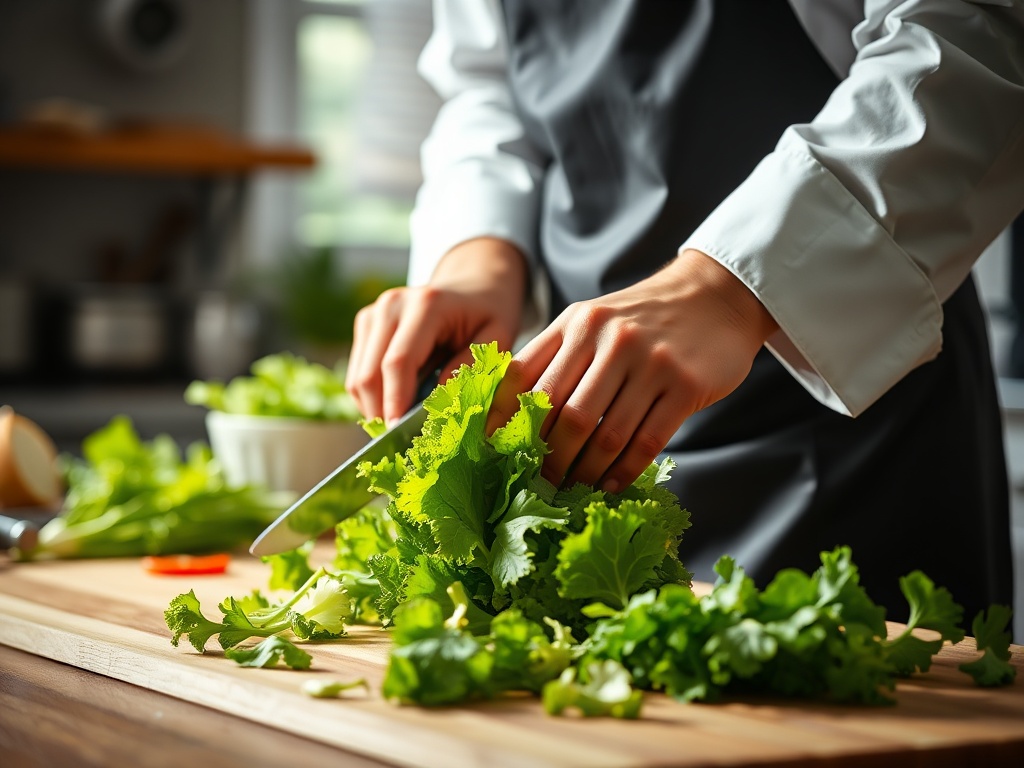
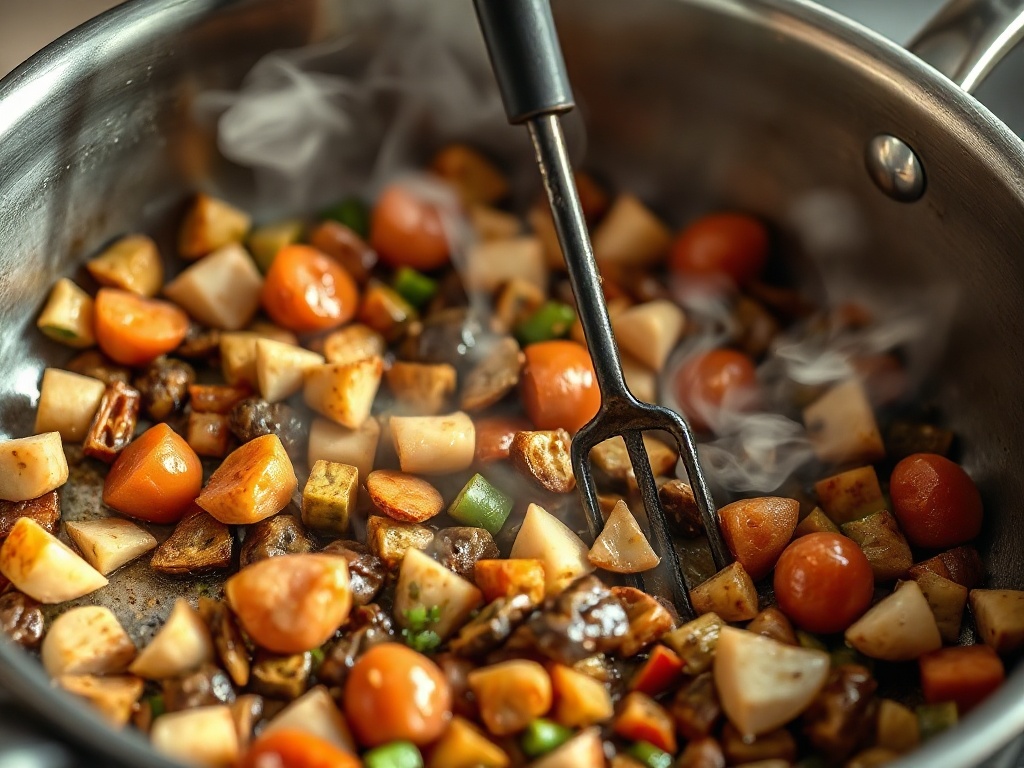
Roasting brings out natural sweetness and creates delicious caramelized textures. Steaming preserves delicate nutrients perfectly. Quick stir-frying maintains crispness and vibrant colors. Each method serves different purposes and preferences. Mastering vegetable preparation makes them the star of every meal.
How do I cook proteins without unhealthy fats?
Grilling, baking, poaching, and slow-cooking create tender, flavorful proteins without excess fat. Non-stick cookware and cooking sprays reduce oil needs while maintaining taste. Learning proper temperatures and timing ensures every protein dish turns out perfectly moist and delicious.
Can I adapt recipes to my dietary preferences?
Absolutely. Healthy cooking principles apply to any dietary approach—vegetarian, vegan, paleo, or keto. You'll learn substitution techniques and ingredient swaps that work beautifully in traditional recipes. Our instructors provide guidance for customizing meals to match your unique health goals.
What about cooking for different family members?
Creating one nutritious meal everyone enjoys requires understanding flavor preferences and dietary needs. We teach strategies for building base recipes that adapt easily for various tastes and requirements. This approach saves time while ensuring everyone eats well together.
Join our online cooking course today
Transform your kitchen with expert guidance.